AI Lead Generation in 2026: How to Turn Your Website Into a 24/7 Sales System

AI lead generation is becoming one of the most effective ways for businesses to turn website traffic into real sales opportunities in 2026. Instead of relying only on contact forms, companies can now use chatbots, smart lead qualification, CRM automation and follow-up workflows to build a 24/7 sales system.

Getting more website traffic is useful, but traffic alone does not grow a business. A website can attract hundreds or thousands of visitors every month and still generate very few enquiries if visitors cannot quickly understand what you offer, find the right service, get answers to important questions, or take the next step.

This is where AI lead generation can make a meaningful difference. Instead of treating your website as a digital brochure, AI automation can help transform it into an active sales system that captures visitors, understands what they need, qualifies opportunities and helps your team follow up faster.

What Is AI Lead Generation?

AI-powered lead generation uses artificial intelligence and automation to improve the journey between a visitor arriving on your website and becoming a qualified sales opportunity.

Website Visitor ➝ AI Qualification ➝ CRM & Follow-Up ➝ Sales Opportunity

A traditional website commonly relies on a simple path: a visitor reads a page, completes a contact form and waits for a reply. An AI-powered system can create a smarter journey by identifying intent, answering questions, recommending the right service, collecting requirements, updating your CRM and notifying the right team member.

The goal is not to replace your sales team. The goal is to make sure interested visitors do not disappear simply because nobody was available to respond at that moment.

Why AI Lead Generation Matters in 2026

Many businesses spend heavily on SEO, paid ads and social media but give much less attention to what happens after a potential customer reaches the website. A visitor may have a genuine requirement but leave because they cannot quickly understand pricing, timelines, capabilities or whether the business can solve their specific problem.

Long enquiry forms, generic calls to action and delayed follow-up can create additional friction. AI and automation can help reduce these gaps and create a more useful customer journey.

  • Slow response after an enquiry
  • Generic contact forms
  • No lead qualification
  • Disconnected CRM data
  • No lead-source tracking
  • Missed after-hours visitors

1. AI Lead Generation With Chatbots and Smart Forms

Traditional live chat works best when somebody is available to respond. An AI website assistant can support visitors around the clock and help move conversations toward a useful next step.

For example, a visitor could ask, “Can you redesign an existing Shopify store?” Instead of only showing a generic answer, the assistant could explain relevant capabilities and then ask for the current website URL, the main issues, required features and expected timeline.

The conversation becomes part of the lead qualification process rather than basic customer support.

A smarter conversation flow

The visitor gets answers immediately while your business collects useful project information before a sales call.

  • Visitor: Can you redesign my Shopify store?
  • AI: Yes. What is your current store URL?
  • AI: Are you looking for design, development, CRO or all three?

2. How AI Lead Generation Improves Website Conversions

Not every visitor wants the same thing. One person may need WordPress development, another may need Shopify optimization, another may be researching AI automation and another may need a mobile application.

Your website should therefore avoid pushing every visitor toward exactly the same generic contact form. A visitor reading about Shopify can receive a Shopify-specific CTA. Someone exploring AI automation can be invited to request an automation assessment. A person reviewing your portfolio can be encouraged to discuss a similar project.

The more closely the CTA matches the visitor’s intent, the easier it becomes for them to take the next step.

3. Replace Long Forms With Smart Lead Qualification

A traditional form may ask too many questions before a visitor can submit anything. Smart lead qualification can use progressive questions so the form stays simple while your team still receives useful information.

Start with the essentials such as name, business email and requirement. Then display additional questions based on the selected service.

  • Website redesign: Request the current website URL and main problems.
  • Mobile app: Ask whether the project requires iOS, Android or both.
  • AI automation: Ask which workflow, process or customer interaction should be automated.
  • eCommerce: Ask which platform is currently being used and what needs improvement.

This gives the sales team useful context while reducing unnecessary friction for the visitor.

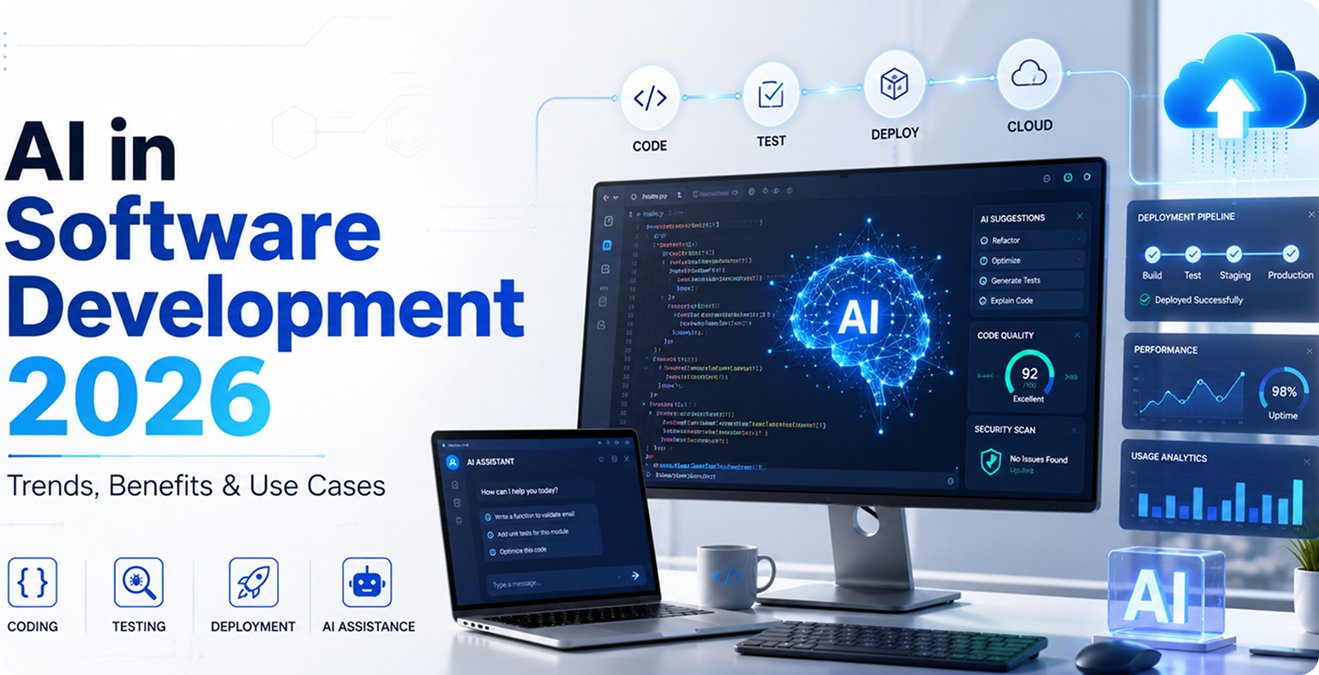
AI lead generation in 2026 illustration

Want to know where your website may be losing leads?

Codmash can review your current website journey, forms, calls to action, tracking and follow-up process and identify practical opportunities for AI-powered lead automation.

Request a Free Lead-Flow Audit

4. AI Lead Generation and CRM Automation

Capturing a lead is only the first step. What happens afterward is equally important. A well-planned lead automation system can automatically send enquiry information to your CRM, sales dashboard or internal workflow.

The system can record details such as:

  • Lead source and campaign
  • Requested service
  • Budget range
  • Project timeline
  • Website URL
  • Country or location
  • Conversation history
  • Lead status and assigned team member

This removes repetitive data entry and helps your team prioritize serious enquiries faster.

5. Automate the First Follow-Up

Speed matters when somebody is actively searching for a service provider. When a visitor submits an enquiry, automation can immediately send a personalized confirmation rather than a generic “thank you” response.

For example, a Shopify prospect could receive confirmation that their store details have been received, along with a request to share examples or requirements before the discussion. At the same time, your sales team can receive the complete lead details and an internal follow-up reminder.

The objective is to keep momentum while the prospect is still actively interested.

6. Use AI to Qualify Leads Before Sales Gets Involved

Not every enquiry requires immediate involvement from a senior salesperson. AI can help categorize opportunities based on the information supplied by the visitor.

A visitor with a live website, defined requirement, realistic timeline and confirmed budget may be treated as a higher-intent enquiry. Someone asking for general information can enter a nurturing or follow-up flow instead.

AI should assist the qualification process rather than automatically reject prospects. Final decisions can remain with your sales team.

7. Track the Entire Lead Journey

AI lead automation becomes more valuable when it is connected with analytics and conversion tracking. Businesses should understand and should track lead events properly using tools like Google Analytics, how people arrive, what they view and which actions ultimately produce enquiries.

Following best practices from Google Search Central can also improve content structure and discoverability.

StageWhat to TrackWhy It Matters
AcquisitionGoogle, Reddit, Instagram, referrals, campaignsShows which sources generate useful visitors
EngagementService pages, blog reading, chatbot interactionShows what visitors are interested in
Lead CaptureForm submits, calls, email clicks, WhatsApp, bookingsMeasures conversion opportunities
QualificationService, budget, timeline and requirementHelps prioritize stronger prospects
Sales OutcomeMeeting, proposal, win/lossConnects marketing activity with revenue

Leads can be organized more efficiently by integrating with a CRM such as HubSpot CRM.

Without this information, marketing decisions are based mostly on traffic rather than business outcomes. For service-based websites, form submissions, consultation bookings, calls, WhatsApp conversations and qualified opportunities should be tracked as meaningful conversion events.

Where Can AI Lead Automation Be Used?

AI-powered lead generation can support many types of businesses. Development agencies can collect technical requirements before a discovery call. SaaS companies can recommend the right plan or schedule demos. Professional service providers can answer common questions and qualify consultation requests.

eCommerce businesses can use AI to answer pre-purchase questions and guide product discovery, while local businesses can collect appointment requirements and route enquiries to the right team.

The technology is less important than the business workflow being improved.

Do You Need to Replace Your Existing Website?

Usually, no. AI lead automation can often be integrated into an existing WordPress, Shopify, Webflow or custom website.

The first step should be reviewing the current visitor journey: where people arrive, which pages they visit, where they leave, what questions occur repeatedly and what information your sales team needs before speaking with a prospect.

From there, automation can be introduced gradually. Codmash provides AI automation services that can connect chatbots, smart forms, CRMs, APIs, workflow automation and lead systems with existing websites and business platforms.

Best Practices for AI Lead Generation on Your Website

Adding AI everywhere does not automatically improve a website. A chatbot that gives irrelevant answers can hurt trust. Automation that sends too many messages can frustrate prospects. Forms that attempt to collect excessive information can reduce conversions.

Successful automation therefore starts with the customer journey rather than the AI model. A simple workflow solving one important problem can create more value than an unnecessarily complicated system.

Is Your Website Ready for AI Lead Automation?

Use the following questions as a quick assessment:

  • Can visitors quickly identify the right service?
  • Can they get answers to common pre-sales questions?
  • Can they explain their requirements easily?
  • Does your team know where each enquiry originated?
  • Does someone receive an immediate lead notification?
  • Is follow-up tracked and assigned?
  • Can you measure which channels generate actual enquiries?

If several answers are no, there is probably an opportunity to improve your website’s lead generation workflow.

Final Thoughts on AI Lead Generation

You do not necessarily need more traffic first. You may need a better system for converting the traffic you already have.

Codmash helps businesses combine website development, AI automation, smart forms, CRM integration, workflow automation and conversion tracking to create stronger digital sales journeys.

Get a Free Website & AI Lead-Flow Audit

We will review how visitors currently move through your website and identify opportunities to improve lead capture, qualification, follow-up and conversion tracking.

Request My Free Lead-Flow Audit

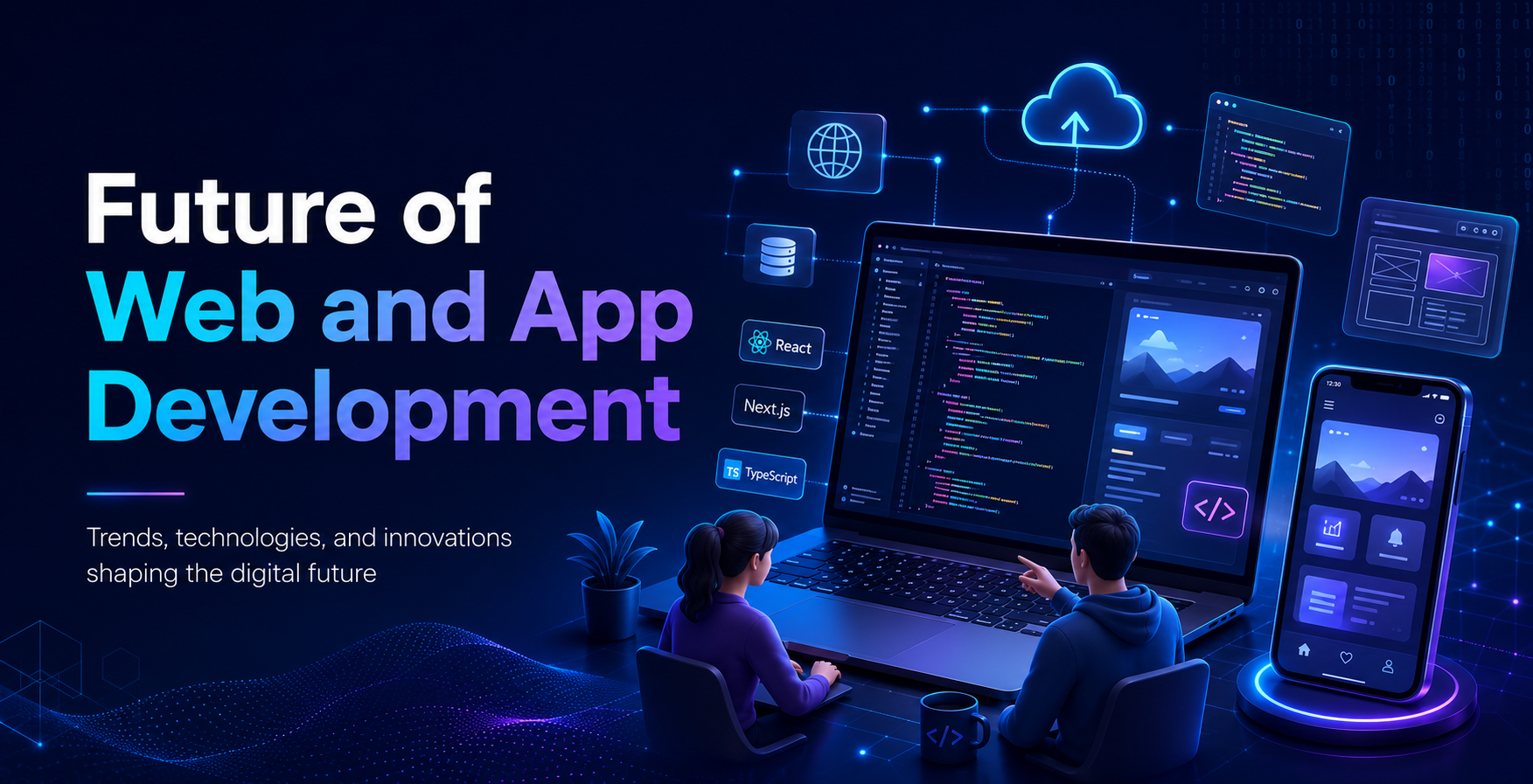
The Future of Web and App Development: Building Digital Platforms That Grow With Your Business

As businesses step into a new era of digital growth, understanding the future of web and app development has become essential for long-term success. Technology is no longer just a support system—it is a strategic asset that shapes customer experience, brand credibility, and scalability. At CodMash, we help businesses prepare for the future by building digital platforms designed to evolve, perform, and scale with changing market demands.

The future of web and app development is not defined by short-lived trends. Instead, it is driven by intelligent systems, performance-focused architecture, and user-centric design that delivers real business value over time.

How the Future of Web and App Development Is Evolving

How the Future of Web and App Development Is Evolving

The future of web and app development is moving toward platforms that are smarter, faster, and more adaptive. Businesses are shifting away from rigid systems and investing in flexible architectures that support innovation without constant rebuilding. Modern platforms are designed to learn from user behavior, integrate advanced technologies, and adapt to growth effortlessly.

CodMash approaches development with a future-first mindset, ensuring every solution is built to support long-term expansion rather than short-term fixes.

Intelligent and Adaptive Digital Experiences

Artificial intelligence is playing a central role in shaping the future of web and app development. Future-ready platforms will use intelligent automation to personalize user journeys, streamline operations, and deliver relevant content at the right time. These capabilities help businesses improve engagement while reducing operational overhead.

At CodMash, we integrate intelligent features strategically, ensuring they align with business goals and enhance user experience without adding unnecessary complexity.

Performance as a Core Foundation for Future Growth

Performance remains a critical pillar in the future of web and app development. Search engines continue to prioritize fast-loading, stable, and mobile-optimized platforms. Users expect seamless experiences across devices, regardless of traffic volume or data complexity.

Future-focused development emphasizes optimized codebases, scalable infrastructure, and cloud-ready solutions. CodMash builds performance-driven platforms that maintain speed, reliability, and SEO strength as businesses grow.

Building future-ready web & app solutions

User Experience That Builds Long-Term Trust

The future of web and app development places strong emphasis on user experience and interface clarity. Instead of visual trends, the focus is on usability, accessibility, and intuitive navigation. Digital products must guide users naturally, reduce friction, and build confidence at every interaction point.

CodMash designs interfaces that balance simplicity with functionality, ensuring digital experiences remain relevant and effective as user expectations evolve.

Security and Reliability in the Future Digital Landscape

Security is a defining factor in the future of web and app development. As platforms become more interconnected, protecting user data and system integrity is critical. Businesses that prioritize secure development practices build lasting trust and ensure compliance with evolving regulations.

CodMash follows a security-first development approach, embedding protection mechanisms throughout the development lifecycle to support safe and reliable digital growth.


Preparing Your Business for the Future of Web and App Development

Preparing for the future of web and app development requires strategic planning, not reactive decisions. Businesses that invest in scalable infrastructure, intelligent systems, and performance optimization today will be better positioned for tomorrow’s challenges.

CodMash partners with businesses to create digital solutions that are adaptable, secure, and aligned with long-term business objectives. By focusing on the future rather than temporary trends, we help brands build platforms that deliver sustained value.

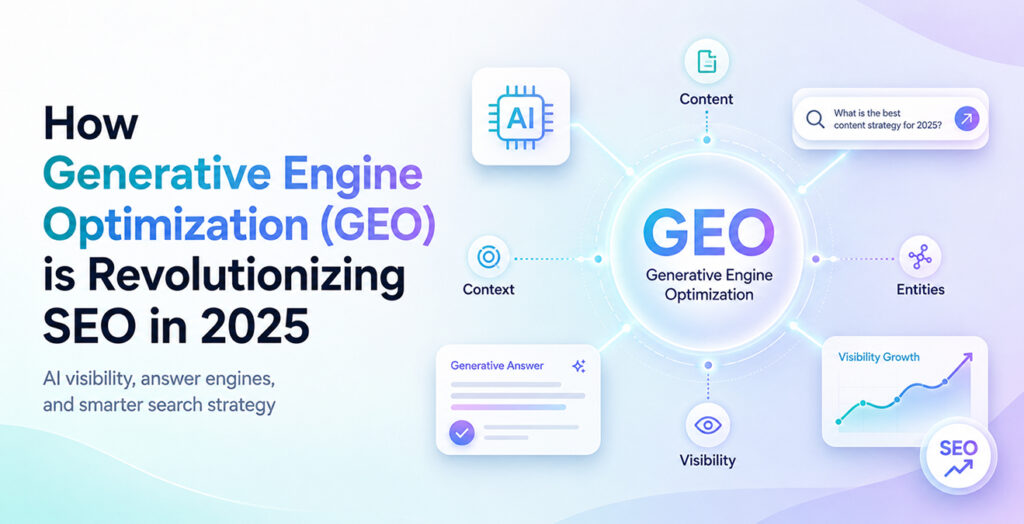
How Generative Engine Optimization (GEO) is Revolutionizing SEO in 2025

The search landscape has never stood still, but the shift happening in 2025 feels like a revolution. For more than two decades, businesses have optimized their websites to rank on search engine results pages — the familiar list of blue links. However, the arrival of Generative AI search models, such as Google’s AI Overviews, Microsoft Copilot Search, and OpenAI’s ChatGPT Browse, has rewritten the rules. Users are no longer clicking through ten links; they’re reading curated, AI-generated summaries.

This fundamental change is what has given rise to Generative Engine Optimization (GEO) — a new layer of SEO that focuses not just on ranking, but on being trusted, cited, and included within AI-generated answers.

At Codmash Technologies, we’ve watched this evolution unfold closely. Traditional SEO techniques like keyword density, backlink chasing, and metadata optimization remain relevant, but GEO demands something deeper — authority, structure, and contextual accuracy that AI systems can understand and verify.

What Exactly Is Generative Engine Optimization

What Exactly Is Generative Engine Optimization?

The Revolutionary Evolution of Generative Engine Optimization (GEO) is the process of optimizing your digital content for AI-driven search engines and generative response systems. Instead of targeting how search engines rank pages, GEO focuses on how AI interprets, summarizes, and synthesizes information from multiple sources.

In a traditional SEO model, your goal is to appear on the Explore our detailed guide first page of Google. In a GEO model, your goal is to be one of the sources that an AI trusts enough to include in its summary. The difference may seem subtle, but it completely changes the approach to digital content creation.

GEO emphasizes semantic clarity, content structure, fact reliability, and brand reputation. It’s about training the algorithms to recognize your business as a credible authority within your niche — not just for humans, but for machines learning to read like humans.

Why GEO Matters More Than Ever in 2025: The Future of Search Visibility

The Future of Search: Generative Engine Optimization (AI) In 2025, generative engines are not just assisting search — they are the search. Users ask natural questions, and AI models instantly synthesize insights from multiple verified sources to deliver a single, concise answer.

This means that the number of clicks from traditional organic listings is declining. If your business isn’t part of that synthesized response, your visibility shrinks dramatically. GEO ensures that your content is structured, factual, and cited in a way that AI models prefer.

Moreover, Google, Bing, and even emerging decentralized search platforms are increasingly rewarding structured, data-rich, expert-written content. GEO leverages schema, semantic markup, author authority, and factual integrity to make your website recognizable in this new search landscape.

How GEO Differs from Traditional SEO

Traditional SEO has always been about keywords, backlinks, and on-page optimization. GEO builds on these fundamentals but introduces new dimensions.

Where SEO asks, “What will help me rank?”, GEO asks, “What will help the AI trust my content enough to quote it?”

Search engines have evolved into generative systems capable of understanding context and intent rather than just counting keywords. GEO’s primary differentiator lies in content credibility and structure. For example, long-form blogs written with clarity, verifiable data, and internal linking now have a much higher chance of being picked up by AI summaries than keyword-stuffed posts.

In GEO, even your content’s formatting matters — the presence of headings that clearly segment ideas, the use of cited statistics, and the existence of author bios all feed into how AI evaluates your domain’s expertise and reliability.

The Core Principles of GEO

Generative Engine Optimization is not a replacement for SEO but rather an evolution. It’s about aligning your content with how modern AI models interpret information. The foundation of GEO rests on four principles: authority, structure, accuracy, and authenticity.

Authority comes from consistent, high-quality publishing across a focused niche. Generative models prefer sources that show depth in a specific domain rather than broad, shallow coverage.

Structure refers to how information is presented. AI systems understand well-structured text far better than unorganized prose. Clear sections, subheadings, and contextually connected paragraphs help models extract accurate meaning.

Accuracy is crucial in a world where misinformation spreads fast. Generative engines rely heavily on cross-verification. A single incorrect fact can disqualify your content from being used in AI responses.

Authenticity means original insight, tone, and real authorship. With AI-generated spam increasing daily, genuine human commentary, supported by data and experience, stands out dramatically.

These principles define how successful digital brands will perform in the next phase of search evolution.

How to Optimize Content for Generative Engines

How to Optimize Content for Generative Engines

2151833347

Implementing GEO starts with mindset. Instead of asking how to beat the algorithm, GEO asks how to assist it. This shift toward collaboration with AI-driven systems creates a more sustainable and long-term digital presence.

The first step is to build topic authority. Focus your content strategy around well-defined themes instead of scattering topics across unrelated categories. When your domain consistently discusses certain areas — for example, “AI in business operations” or “cloud infrastructure automation” — generative engines begin to associate your brand with subject expertise.

Next, ensure clarity and factual reliability. Use verifiable data, cite official sources, and link to recognized industry publications. Avoid clickbait titles or speculative statements without support. AI systems trained on massive datasets can detect inconsistencies remarkably fast.

Structured data markup (such as FAQ schema, How-To schema, and author profiles) enhances machine readability. It’s not just for Google; generative models also rely on structured metadata to understand context.

Finally, integrate authoritative voices into your content. Include expert quotes, research-backed insights, or commentary from real professionals within your organization. GEO rewards genuine human expertise that algorithms can associate with credible entities.

How AI Models Evaluate GEO Content

Generative engines are powered by neural networks that prioritize trust and coherence. When AI generates an answer, it doesn’t just pull text — it synthesizes, validates, and composes.

These systems assign a trust score to every data source. This score depends on factual reliability, historical consistency, and reputation across the web. Sites that regularly update information, maintain strong domain health, and receive citations from other high-trust websites tend to score higher.

Another critical factor is contextual understanding. AI models prefer content written with narrative flow, logical sequencing, and connected ideas. This makes paragraph-based blogs — like this one — far more valuable than fragmented or bulleted content.

In 2025, we’re seeing models increasingly reward experience-based writing. Articles that demonstrate real-world expertise, such as insights from company projects or industry challenges, outperform purely informational blogs.

At Codmash Technologies, our approach to GEO aligns with this idea — we believe the human experience behind the content is the key differentiator in an AI-driven ecosystem.

Case Study: The Shift from SEO to GEO in Practice

Consider a technology consultancy publishing a weekly blog about cloud migration and infrastructure automation. Two years ago, their traffic strategy relied heavily on keyword targeting and backlinks. But by 2025, organic clicks dropped, even though their rankings hadn’t changed much.

After implementing GEO strategies — optimizing for schema, rewriting content with clearer topic authority, and publishing verified statistics — they noticed a new trend. Their brand started appearing in AI-generated overviews and assistant answers. Even though traditional impressions were lower, engagement rates doubled, and referral leads came directly from conversational search experiences.

This example highlights how success in 2025 is no longer just about visibility on page one. It’s about being part of the AI conversation.

Challenges and Misconceptions About GEO

Challenges and Misconceptions About GEO

Many companies rush into GEO believing it’s simply the next SEO checklist. But Generative Engine Optimization is less about tricks and more about content philosophy. The challenge lies in balancing human storytelling with machine readability.

A common misconception is that GEO requires abandoning traditional SEO. In truth, both coexist. Technical SEO remains vital — site speed, structured markup, mobile optimization, and link architecture are still part of the foundation. GEO builds upon this base, extending optimization toward contextual trust and content depth.

Another challenge is keeping content fresh and verifiable. AI engines continuously crawl the web for updates. Outdated or unmaintained pages lose authority quickly, so a long-term GEO strategy must include regular audits, content refreshes, and citation updates.

The Future of Search and the Role of GEO

As generative engines mature, the internet is shifting from a search-based model to a conversation-based model. Instead of typing keywords, users ask complex, natural questions. AI models analyze intent, summarize context, and deliver insights — effectively transforming how people discover information.

In this world, GEO isn’t just an optimization technique; it’s a communication strategy. Brands that align their messaging with AI logic will dominate visibility, while those clinging to old metrics risk fading away.

By 2027, analysts predict that nearly 70% of online searches will happen through generative engines or conversational interfaces. That means your website must evolve into a data-verified knowledge hub that AI trusts.

For IT and marketing firms, this is both a challenge and an opportunity. Businesses that master GEO today will lead tomorrow’s digital landscape.

How Codmash Technologies Implements GEO for Clients

At Codmash Technologies, we view Generative Engine Optimization as an essential part of modern digital transformation. Our approach combines AI content strategy, semantic SEO, and technical optimization to help businesses thrive in an AI-first search ecosystem.

We begin with a detailed content audit to identify which assets are visible to generative models and which need restructuring. Next, we integrate schema markup, improve factual alignment, and enhance topical consistency. Finally, we develop long-form, authoritative content — not just for ranking, but for trust-building with AI systems.

Our mission is to help organizations future-proof their online visibility. GEO isn’t a trend — it’s the new baseline for digital marketing success.

Conclusion

Generative Engine Optimization represents the next great leap in digital visibility. As AI continues to redefine how we access information, businesses that understand GEO will be the ones appearing inside those generative summaries — trusted, cited, and visible at the moment of intent.

At Codmash Technologies, we help brands transition seamlessly into this new era of search. Whether you’re optimizing your website, refining your content strategy, or planning for future AI visibility, GEO ensures your voice remains part of the digital conversation.

If your business is ready to evolve beyond traditional SEO and embrace the future of intelligent discovery, now is the time to start.